
Leather goods / technical carry / soft equipment
Magnetic bag closures. Design around the whole stack.
A hidden bag closure works through everything between its mating parts. Bring the leather, nylon, lining and reinforcement into the same engineering discussion.
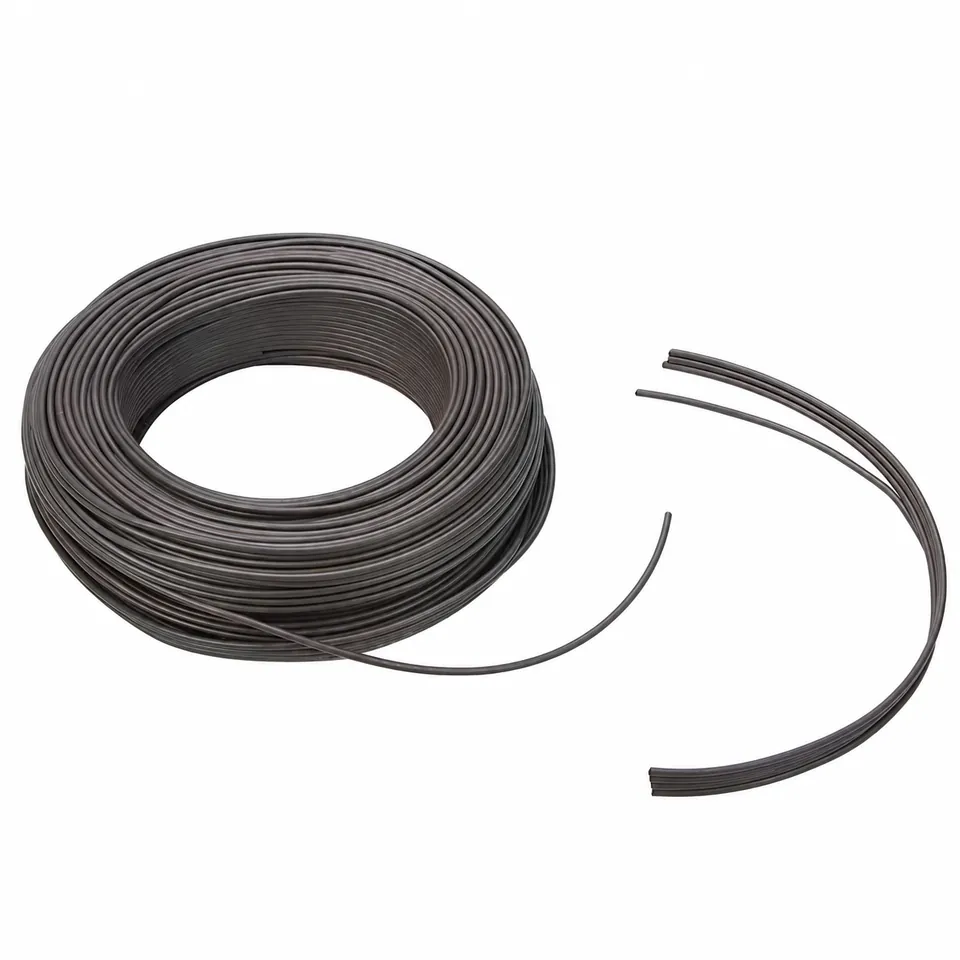
Magnetic cord coils and cut lengths for a concealed bag-closure construction.
The engineering decision
The nominal thickness of one leather panel is only part of the separation. Include the other flap, linings, adhesive and construction clearance, then evaluate pull, peel and sliding on the assembled bag.
Magnetic cord formats
Start with the cord construction.
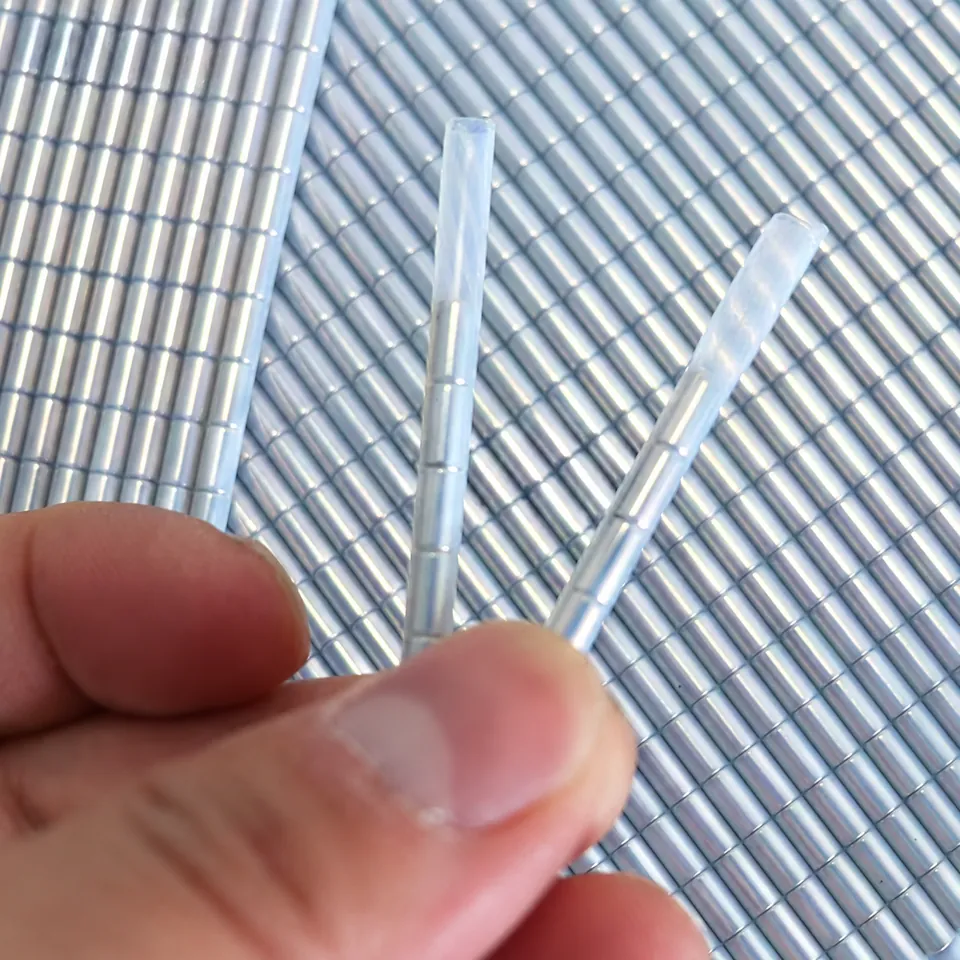
Segmented cord in clear sleeves. Review its geometry against both sides of the bag stack.
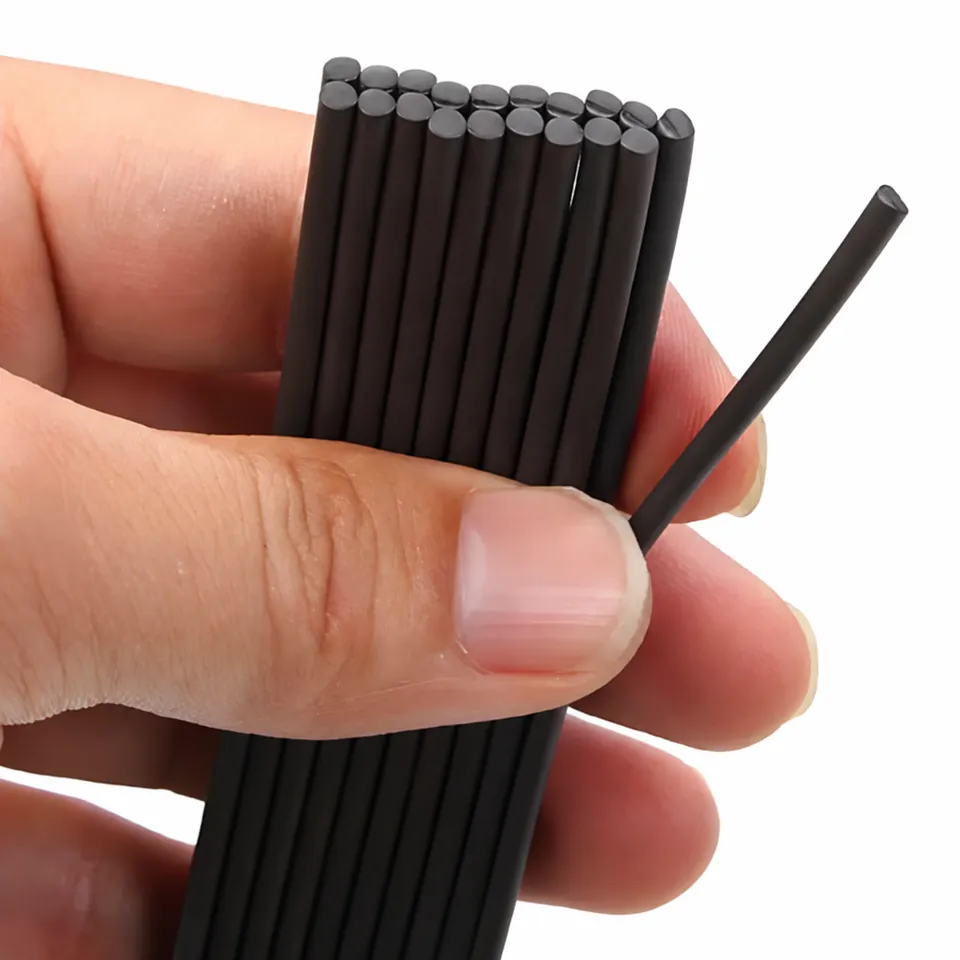
Round cord cross-sections. Specify total material separation and the direction of opening.
Construction options
Choose the attachment before the finish.
Hidden sew-in construction
Keep the exterior clean while controlling enclosure position and reinforcement. Inspect the needle path and local stiffness through the final lining.
Prong, rivet or edge mounting
Review backing pieces, cut-outs, edge distance and load distribution. The mounting interface needs its own retention assessment.
Magnetic guidance with a mechanical latch
Separate automatic alignment from positive mechanical retention. Specify the release motion and request the selected mechanism’s own load and durability data.
Prepare the sample brief
Specify what the finished bag needs to do.
| Define | Project input | For the sample review |
|---|---|---|
| Material stack | Both sides, layer by layer | Record actual compressed and uncompressed thickness. |
| Opening direction | Pull, peel or shear | Describe the strap or flap motion and fixture geometry. |
| Attachment | Sewn, prong, rivet or edge-mounted | Supply mounting thickness, backing and reinforcement details. |
| Use conditions | Contents, movement and accidental opening | Describe the complete bag rather than a loose component load. |
| Appearance | Finish, colour and branding | Agree finish approval samples and the relevant exposure tests. |
| Handling | Single-hand, gloves, sound and feel | Evaluate the intended opening task on the finished prototype. |
Work on your actual construction
Material-stack brief builder.
Add both mating sides and any remaining separation. These editable example values help prepare a repeatable sample test; they do not predict magnetic holding force.
Record compressed thickness and actual closure geometry before setting up the fixture.
Force must be evaluated on the identified closure and complete stack.
Carry just these five dimensions and evaluation direction to the sample form in this tab for up to 24 hours. Preview and apply them there; this does not send an enquiry or predict holding force.
Integration sequence
Keep the bag, fixture and force direction together.
Document the layers
Use the stack brief below to include both mating sides. Add a sketch showing any bend, spacer and reinforcing plate.
Make a mounted swatch
Use production-intent leather or fabric, adhesives and backing. Secure the component with the proposed factory method.
Measure the right motion
Agree pull, peel or sliding, speed and acceptance limits. A perpendicular pull result does not describe every opening direction.
Review the complete bag
Check repeated use, filled-bag handling, finish exposure and attachment durability before approving the construction.
Your next construction
Bring your brief into the sample room.
Share your material stack, installation route and evaluation needs. Sample selection, availability and supply terms are confirmed after review.
Define the evidence
What the sample needs to demonstrate.
Force with context
A useful record identifies component revision, stack, fixture, direction, speed and conditioning. Compare like-for-like assemblies.
Finish and environment
Agree the exposure method and evaluation criteria for the chosen finish. Salt spray duration alone does not describe in-use appearance.
Mechanical retention
For a latched mechanism or attachment, assess the selected product and mounting. Magnetic attraction is not a general load-rating certificate.
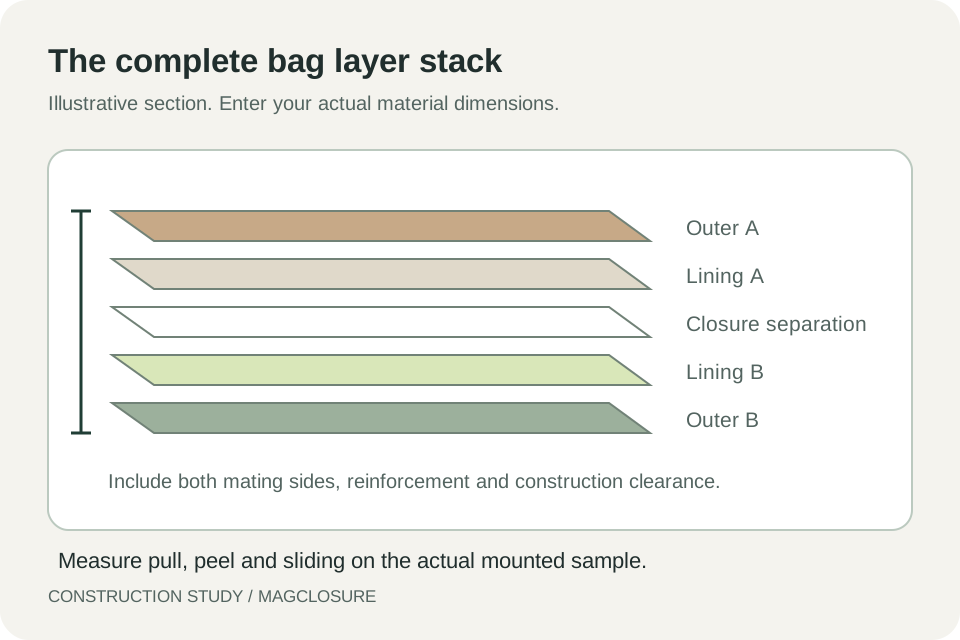
Include both sides of the material stack when preparing a closure brief.
View construction diagram ↗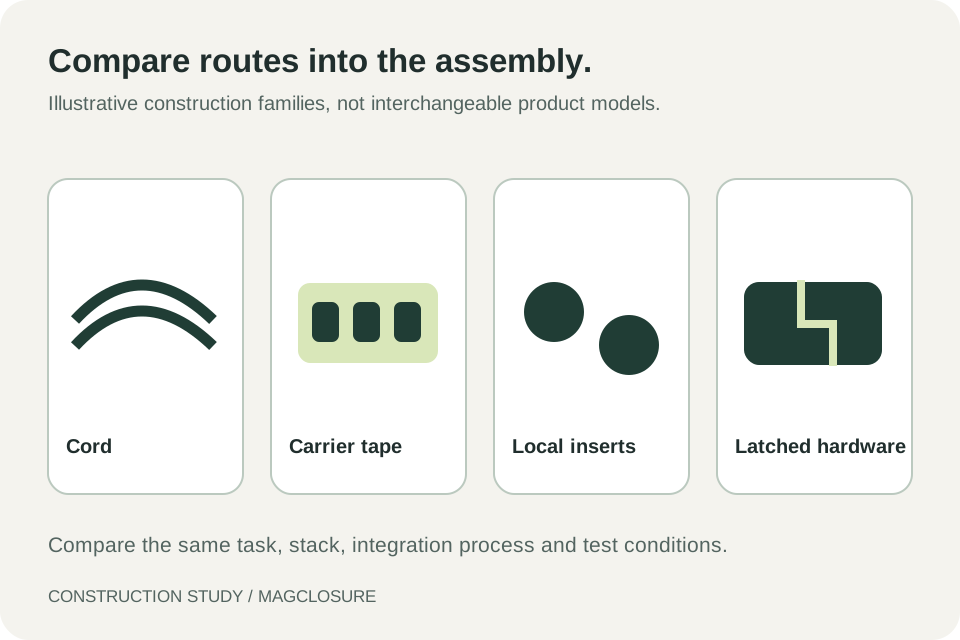
Construction comparison. Individual mechanisms require their own fit and performance review.
View construction diagram ↗Before you enquire
Questions worth resolving early.
Which magnets are suitable for bag closures?
Choose a construction that fits the bag’s mounting process and complete material stack. Hidden sew-in pieces, mounted hardware and magnetic-mechanical mechanisms have different installation and release requirements.
Will a magnetic closure work through 2 mm leather?
The answer depends on the selected component, both sides of the stack, alignment and opening direction. Include lining and reinforcement and request a test on the actual assembly rather than relying on a leather-only figure.
Does the layer calculator predict holding force?
No. It adds the dimensions you enter and prepares a repeatable test brief. A force prediction would require data for the specific closure and construction.
Can I request a custom finish or logo?
Include the finish reference, artwork, intended quantity and exposure requirements. Feasibility, minimum quantities, tooling and timing are confirmed in the project quotation.
Take the brief with you
Working documents for the project.
Use these blank worksheets to keep construction inputs and actual observations in one project record.
Bag material-stack card
Both mating sides, measured thickness, fixture and evaluation direction.
Download PDF ↧Sample evaluation record
Part revision, method, conditioning and blank observation fields.
Download PDF ↧Keep developing the brief
Connected engineering questions.
Your next construction
Bring your brief into the sample room.
Share your material stack, installation route and evaluation needs. Sample selection, availability and supply terms are confirmed after review.