
Engineering / wearer information / product assessment
Magnetic clothing safety. Build the product information.
A closure specification needs an intended user, a placement and a finished-product assessment. Bring those decisions into development rather than adding a label at the end.
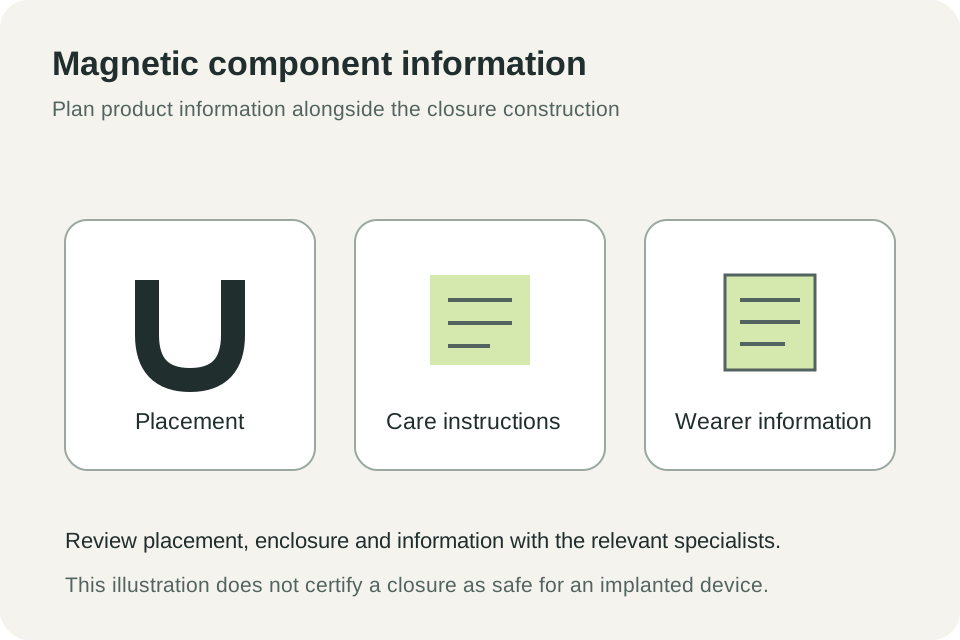
Label and wearer-information planning concept.
View construction diagram ↗The engineering decision
Magnetic-field interference, small-component retention and care instructions are different issues. A warning label or shielding concept does not certify the finished garment as safe for every wearer.
Magnetic cord formats
Start with the cord construction.
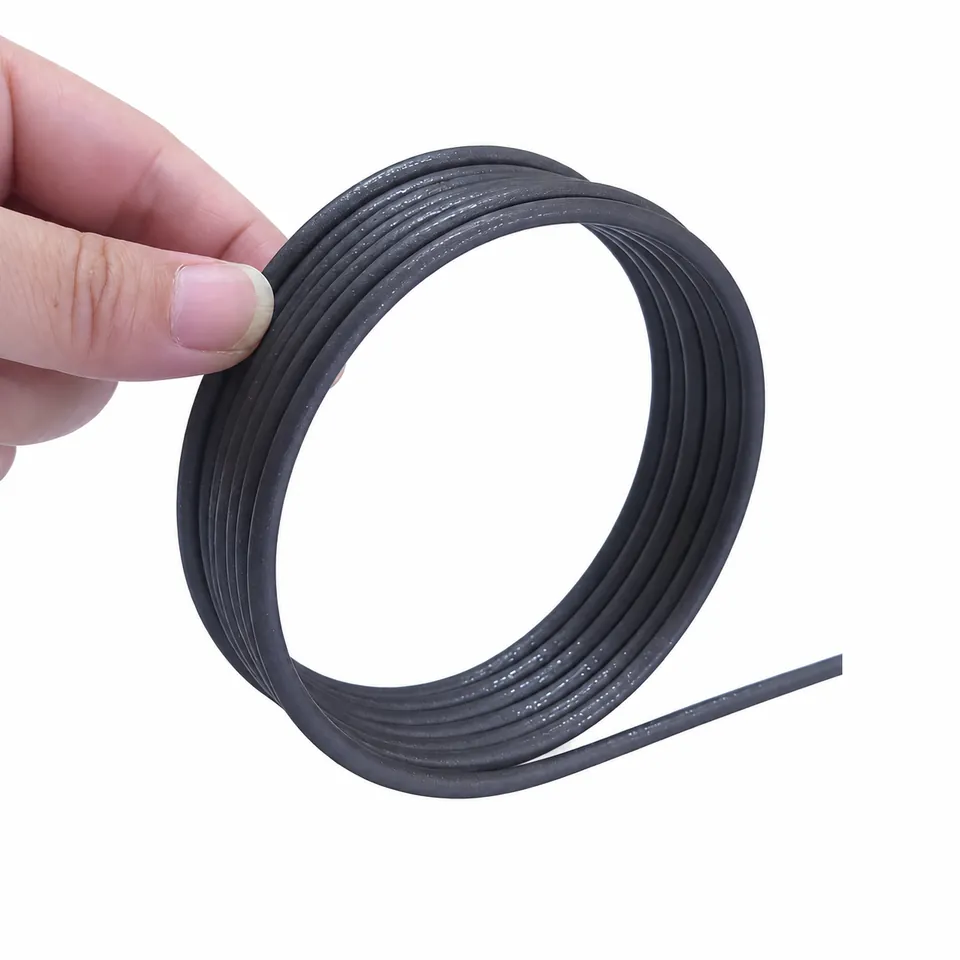
Magnetic closure cord. Include placement, component retention and wearer information in the product assessment.
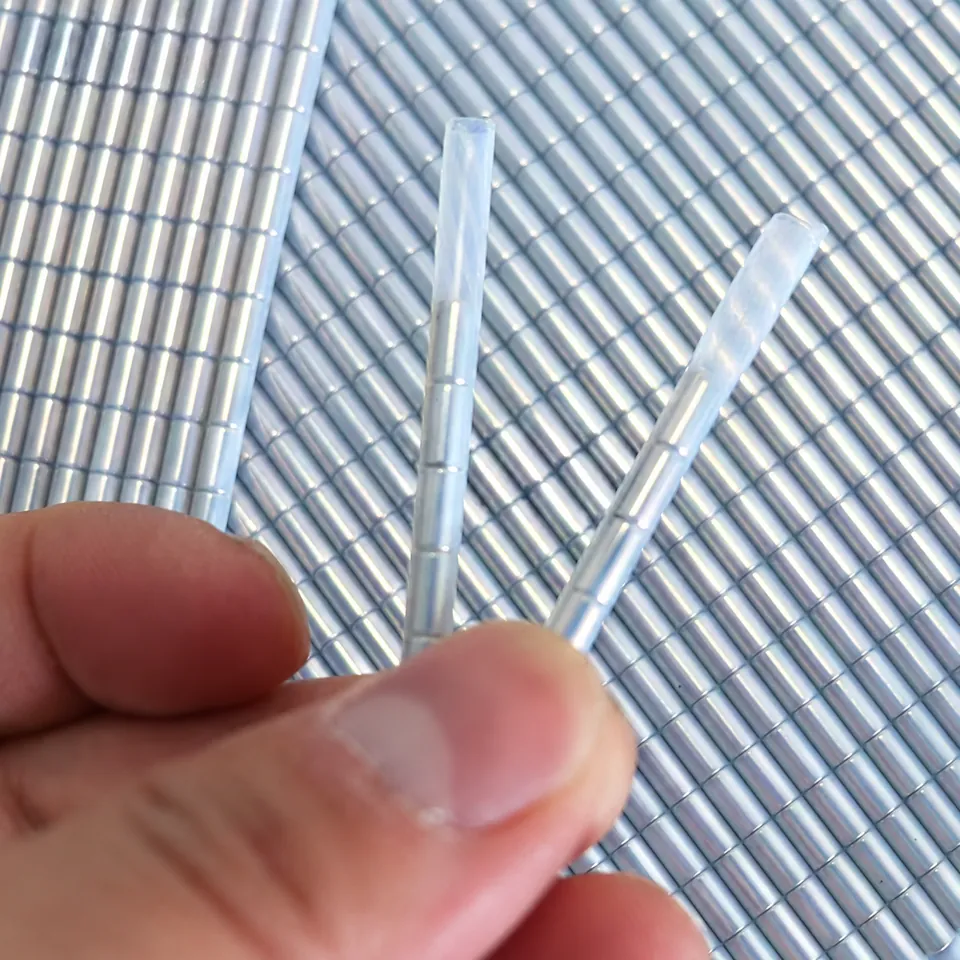
Segmented cord inside clear sleeves. Review the complete enclosure and intended use when preparing product information.
Construction options
Three separate questions for the product team.
Wearer and placement
Identify the target users, closure location and interaction with implanted or carried devices. Use the relevant device manufacturer’s information and qualified assessment.
Containment and foreseeable use
Assess the complete attachment, enclosure and potential access to loose components over the product’s expected use and care.
Market and product classification
Determine the finished product’s category, age grading and destination market before choosing applicable requirements and documents.
Prepare the sample brief
Prepare a product-information review.
| Define | Project input | For the sample review |
|---|---|---|
| Users | Age group, use and handling needs | State the intended finished product and foreseeable use. |
| Placement | Closure location and magnetic configuration | Review proximity to relevant implanted or carried devices. |
| Retention | Enclosure, seams and attachment | Assess detachment and access after agreed use/abuse and care conditions. |
| Markets | Destination and product classification | Confirm applicable rules with the responsible compliance team. |
| Information | Warnings, care and disposal instructions | Review language, placement, durability and the actual product risk assessment. |
| Records | Relevant reports and declarations | Identify the part, configuration, issuer and scope. |
Integration sequence
A review path for the responsible product team.
Classify the finished product
List the intended users, market and use. Distinguish an apparel trim from a toy, medical device or another regulated product category.
Assess the configuration
Review placement, field exposure, containment and the complete attachment with the appropriate specialists.
Define tests and information
Agree applicable requirements, test samples and the content of warnings and care instructions.
Approve and retain the record
Assign sign-off responsibility and keep the final artwork, reports and construction revision together.
Your next construction
Bring your brief into the sample room.
Share your material stack, installation route and evaluation needs. Sample selection, availability and supply terms are confirmed after review.
Define the evidence
What the sample needs to demonstrate.
Implanted devices
Do not treat a universal separation distance or a shielding illustration as approval of a garment for a person with an implanted device.
Regulatory scope
The CPSC magnet rule has a defined product scope and exemptions. Applicability must be established for the finished product; it is not automatically a universal apparel standard.
Information and certification
A proposed warning or care label is not an FDA approval, product certificate or legal clearance. Request project-specific review.
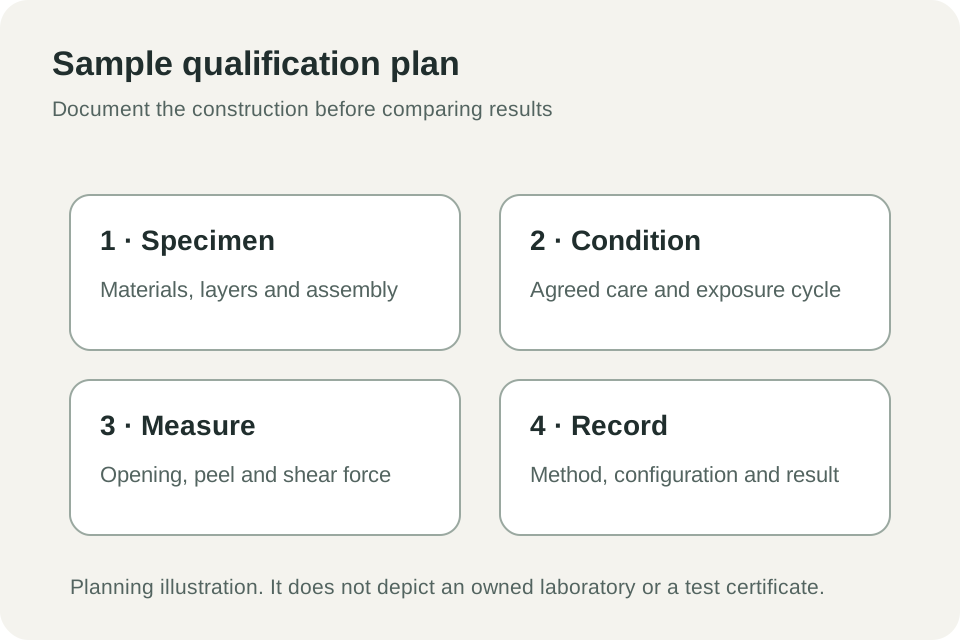
Sample qualification plan; figures and reports are supplied for the actual tested configuration.
View construction diagram ↗Before you enquire
Questions worth resolving early.
Are magnetic clothes safe for someone with a pacemaker?
A universal safety claim cannot be made for an unspecified garment and implanted device. The wearer should follow their device manufacturer and healthcare professional’s guidance; the product team must assess the actual configuration and placement.
Does a warning label establish compliance?
No. Labelling is one part of a product assessment and does not replace applicable design controls, testing or required documentation.
Does the magnet rule automatically apply to every garment trim?
No blanket applicability is assumed. The responsible compliance team needs to classify the finished product and review the relevant rule scope and other applicable requirements.
Can I request warning-label artwork?
Include destination languages, placement and the assessed product risks. Any artwork must be reviewed for the actual finished product; a general template is not a certificate.
Technical references
Read the source in context.
Consumer-electronics interference guidance; not a garment certification or a product-specific safety assessment.
Review the defined scope of 16 CFR part 1262 and the finished-product classification.
Take the brief with you
Working documents for the project.
Use these blank worksheets to keep construction inputs and actual observations in one project record.
Engineering project brief
Application, sample track, delivery scope and construction requirements.
Download PDF ↧Sample evaluation record
Part revision, method, conditioning and blank observation fields.
Download PDF ↧Keep developing the brief
Connected engineering questions.
Your next construction
Bring your brief into the sample room.
Share your material stack, installation route and evaluation needs. Sample selection, availability and supply terms are confirmed after review.