
Closure systems / flexible magnetic cord
Flexible magnetic cord for a continuous textile opening.
Build a discreet closure into a prepared fabric tunnel. Define the paired cord, channel and end retention together so your sample room can evaluate a continuous opening.
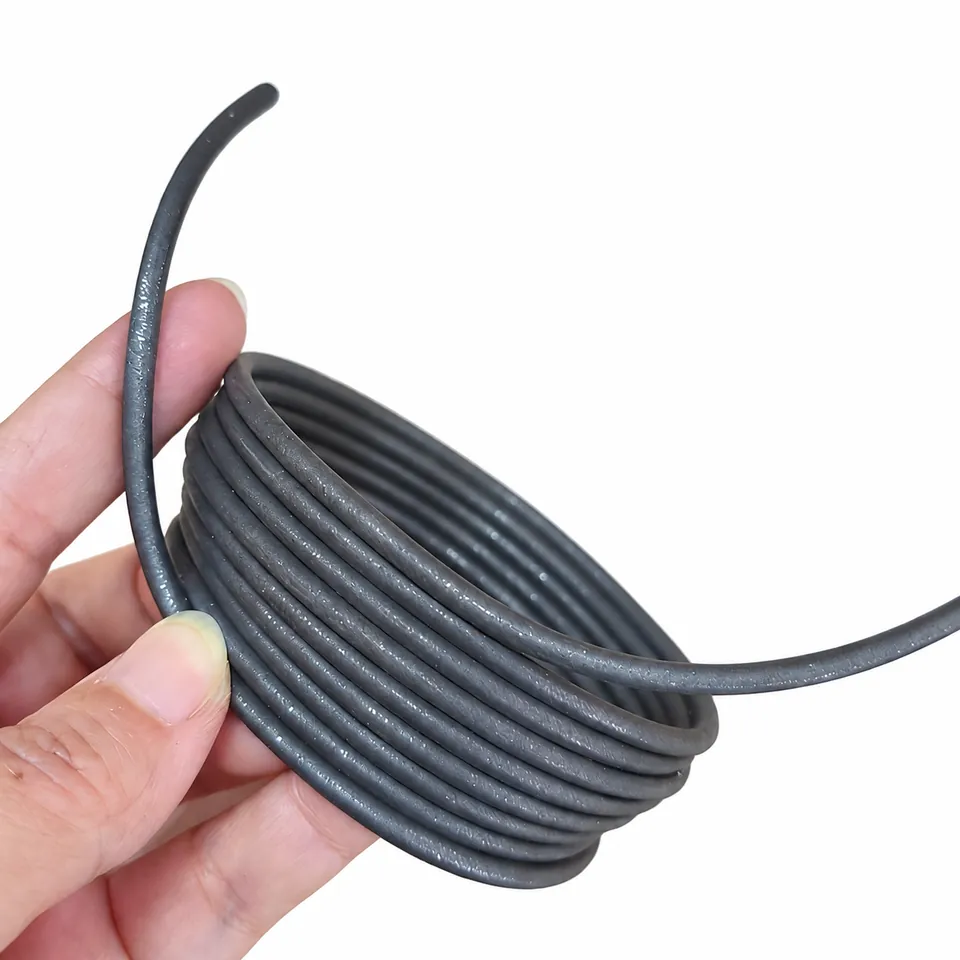
Flexible magnetic closure cord shown as a coil with free lengths for construction review.
The engineering decision
A cord specification needs more than a diameter. The polymer, magnetic compound, protective layer, paired magnetisation and sewn channel all belong in the same construction record.
Magnetic cord formats
Start with the cord construction.
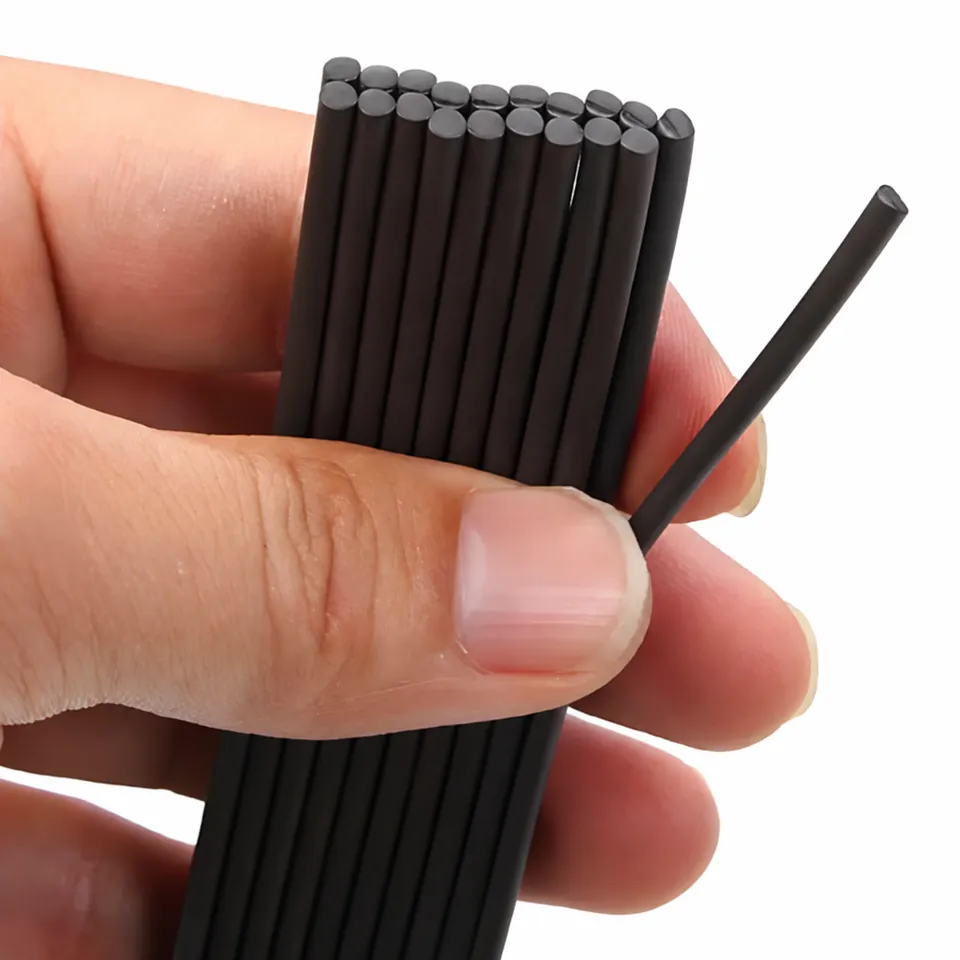
Continuous round cord: inspect the cut profile and define the fabric-tunnel clearance.
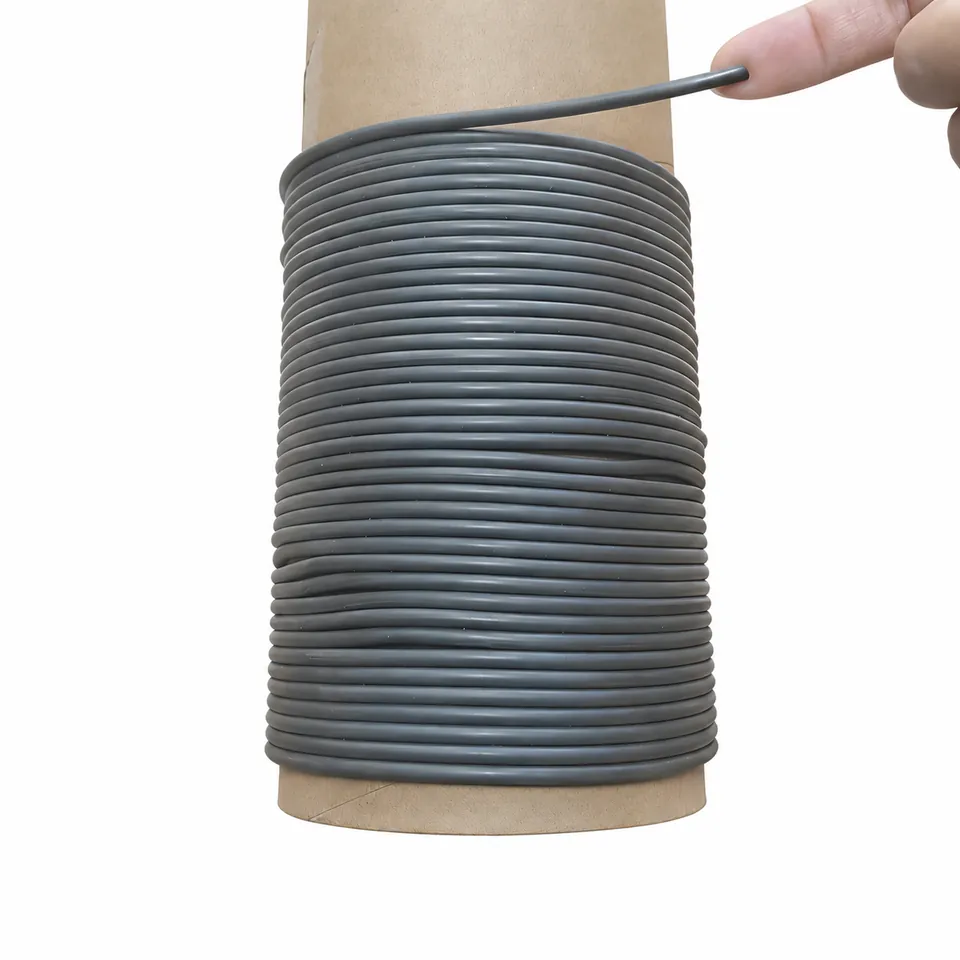
Cord wound on a core. Discuss feed format, required length and matching orientation.
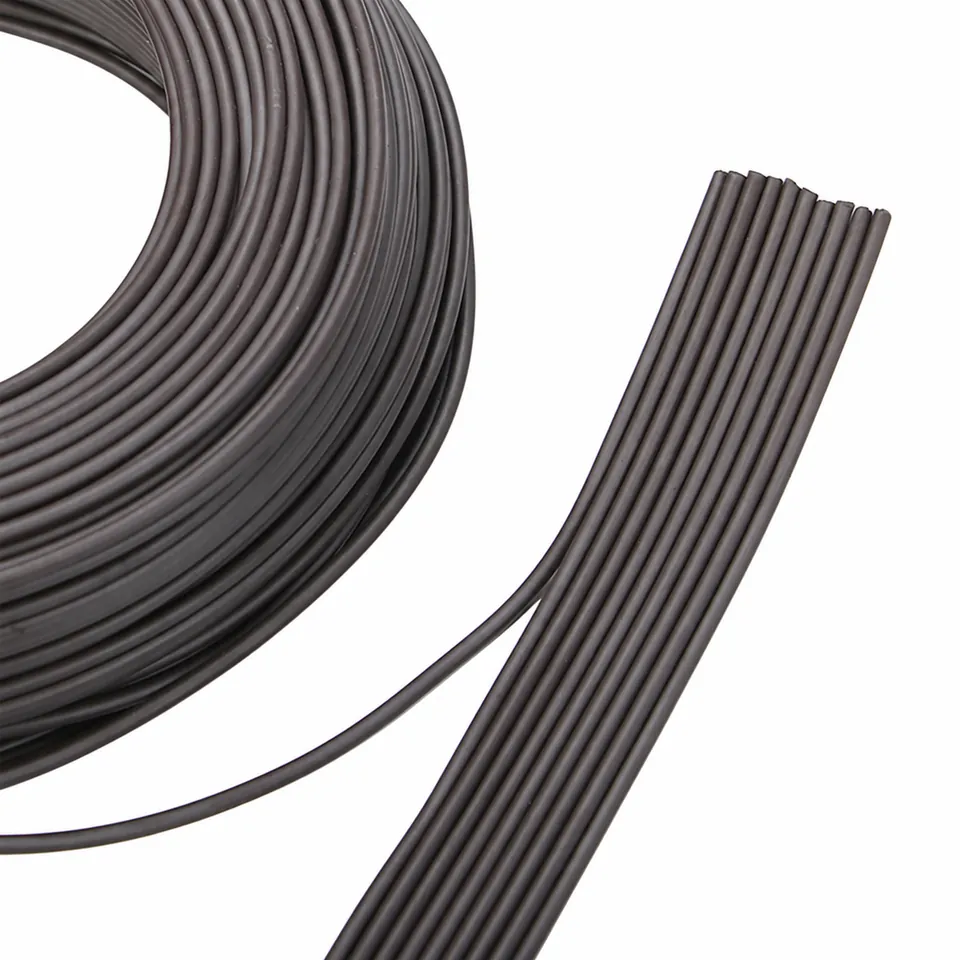
Coil and parallel cut lengths. Agree cutting and end-retention instructions for the selected construction.
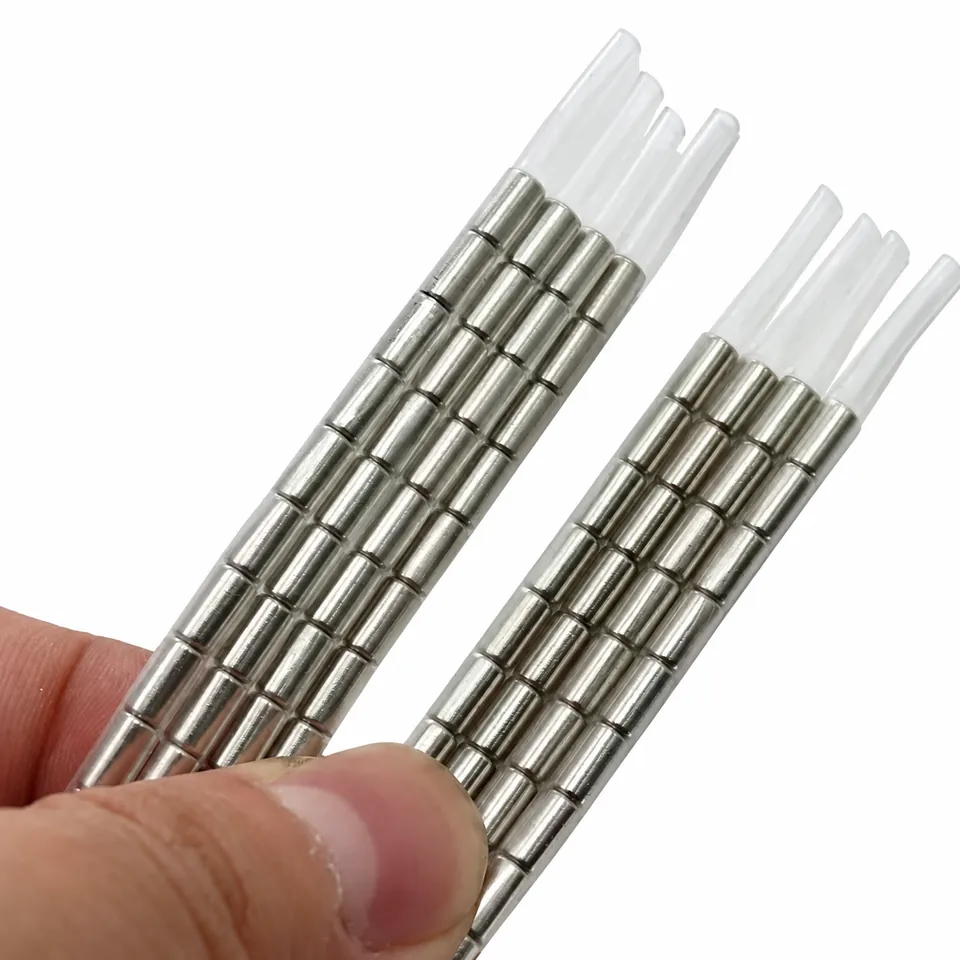
Alternative segmented, sleeved construction: visible metal sections require their own sleeve and end-retention specification.
Construction options
Three decisions before cutting the first length.
Material and protective layer
Request the actual compound and enclosure specification. Rare-earth polymer composites and conventional ferrite constructions should not be identified by appearance alone.
Channel and clearance
Pair the requested cord diameter with the tunnel’s internal size, fabric stretch and seam position. A sample should feed without damaging its protective layer.
Mating orientation and ends
Define the two matching lengths, orientation marks and secure end treatment. The cut and retention method needs confirmation for the selected construction.
Prepare the sample brief
Diameter requests for sample development.
| Define | Project input | For the sample review |
|---|---|---|
| 2.5 mm design request | Lightweight or narrow-channel exploration | Confirm actual channel size, drape and target opening task. |
| 3.0 mm design request | General placket construction review | Confirm overlap, bending and end retention on a sewn swatch. |
| 3.5 mm design request | Intermediate channel and textile-stack review | Compare construction bulk with the intended closure behaviour. |
| 4.0 mm design request | Larger-channel or outerwear exploration | Confirm stiffness, seam position and handling on the complete garment. |
| Supply and cutting | Matched lengths or spool enquiry | Confirm availability, tolerances and permitted cut rules in the quotation. |
| Material and care | Actual compound, polymer and enclosure | Request the relevant specification and complete-assembly care plan. |
Integration sequence
Prepare the tunnel. Pair the lengths. Secure the ends.
Sew the channel
Produce a sample tunnel with the proposed fabric and seam allowance. Check its internal clearance at bends and seam transitions.
Confirm mating behaviour
Align the two reference lengths before insertion and preserve their orientation marks through assembly.
Cut and retain
Follow the selected cord’s approved cutting and end-retention method. Keep the magnetic element away from the sewing needle.
Review the garment
Check continuous alignment, local opening, bending and care conditioning. Record results against the construction revision.
Your next construction
Bring your brief into the sample room.
Share your material stack, installation route and evaluation needs. Sample selection, availability and supply terms are confirmed after review.
Define the evidence
What the sample needs to demonstrate.
The full material system
Magnetic-material temperature data does not establish the service temperature of a polymer-coated cord and its garment assembly.
Repeatable closure behaviour
Record the effective closed length, fabric separation, direction and user task when comparing samples.
Care and containment
Inspect the protective layer and end retention after the agreed washing, drying and flexing sequence.
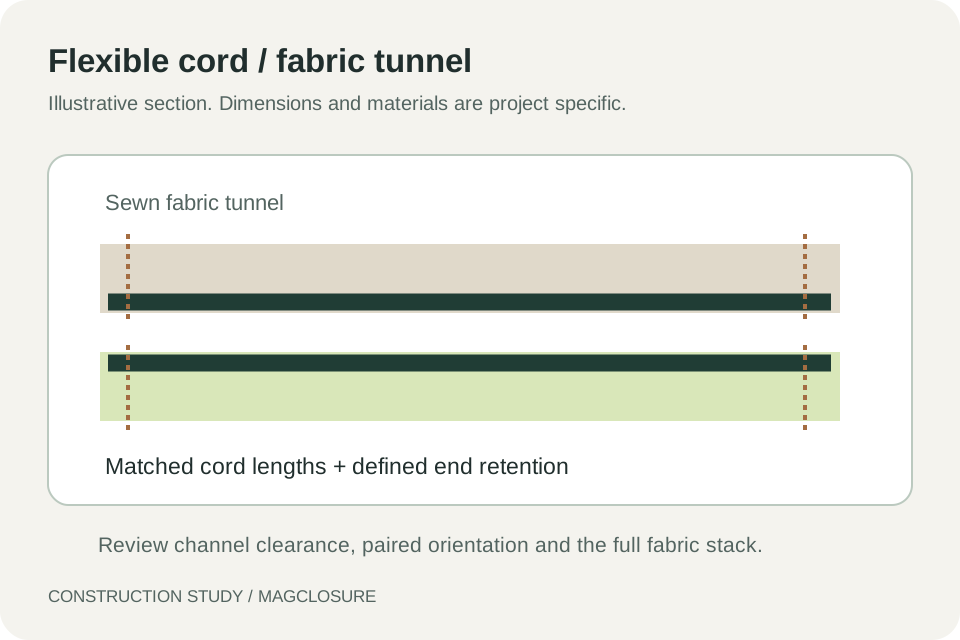
Fabric tunnel concept: define clearance, matching orientation and secure ends.
View construction diagram ↗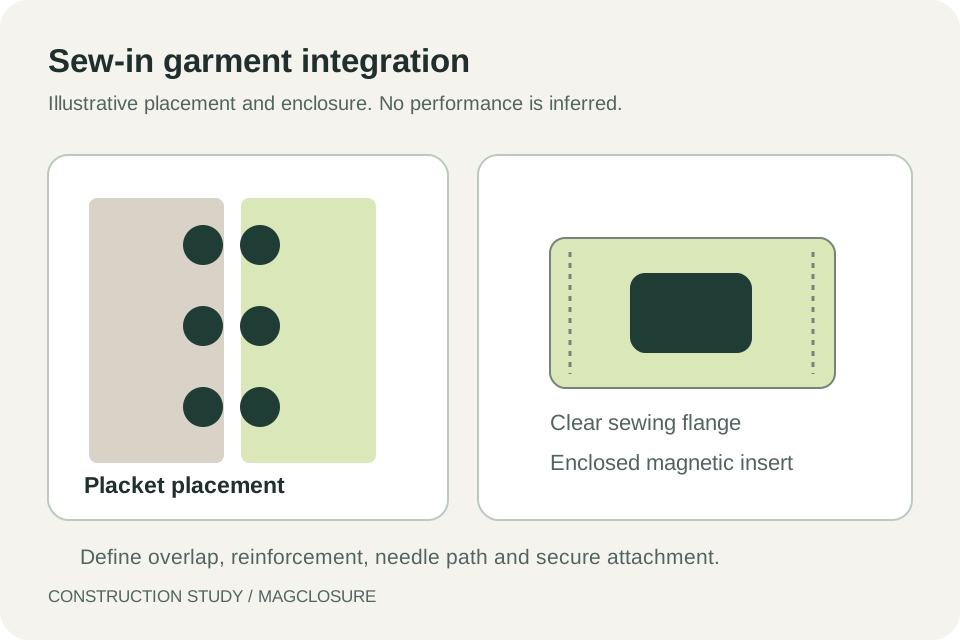
Illustrative placket placement and enclosure. Confirm the needle path on the actual sample.
View construction diagram ↗Before you enquire
Questions worth resolving early.
Is this the official SoftMag brand website?
MagClosure is an independent project and enquiry channel. This page describes flexible magnetic cord construction; it does not claim ownership of, or affiliation with, another supplier’s product name.
Is magnetic cord the same as adhesive magnetic strip?
No. This page concerns paired cord integrated into a textile tunnel. Adhesive office strips and magnetic sheeting have different structures and should not be substituted from a product photograph.
Are all four diameters available from stock?
The table defines sample-development requests. Actual material, diameter tolerance, availability, minimum quantity and supply form are confirmed for the project.
Can I cut it at any point?
Confirm the selected product’s magnetic layout, protective layer and approved end treatment first. A cut-to-length concept does not establish unrestricted cutting for every cord.
Take the brief with you
Working documents for the project.
Use these blank worksheets to keep construction inputs and actual observations in one project record.
Engineering project brief
Application, sample track, delivery scope and construction requirements.
Download PDF ↧Sample evaluation record
Part revision, method, conditioning and blank observation fields.
Download PDF ↧Keep developing the brief
Connected engineering questions.
Your next construction
Bring your brief into the sample room.
Share your material stack, installation route and evaluation needs. Sample selection, availability and supply terms are confirmed after review.